


After getting into a car accident I called Barbara and it was the best decision I ever made. She is amazing! I couldn’t have asked for a better lawyer to represent me. She got me the best settlement to pay back my medi...
The fight with insurance companies is just as hard as fighting for your life after an accident. As long as you dont give up on yourself Barbara will fight for you. The staff at Kidwell and Gallagher were great as well. I...
These two are specialists in two related fields, personal injury and workmen’s comp. Both they and their staff were VERY responsive to me and my questions, and handled my case with patience and competence. I would,...
I feel like kidwell & Gallagher went above and beyond for me. Craig himself and his staff are so nice and helpful. I would highly recommend this law office for your workmans comp/injury needs. You will not be disappo...
The best place to go if you need good hometown lawyers. They are very informative and kept us updated on what was going to happen through out our case.
Was the best experience, we told them the problem and they took over everything, was such a relief. Always there to answer any questions and help is fast is possible.
I was at my job mountain crew changes there in the basement of kidwell and Gallagher
They weren’t able to help with my case, but they directed me to someone who could.
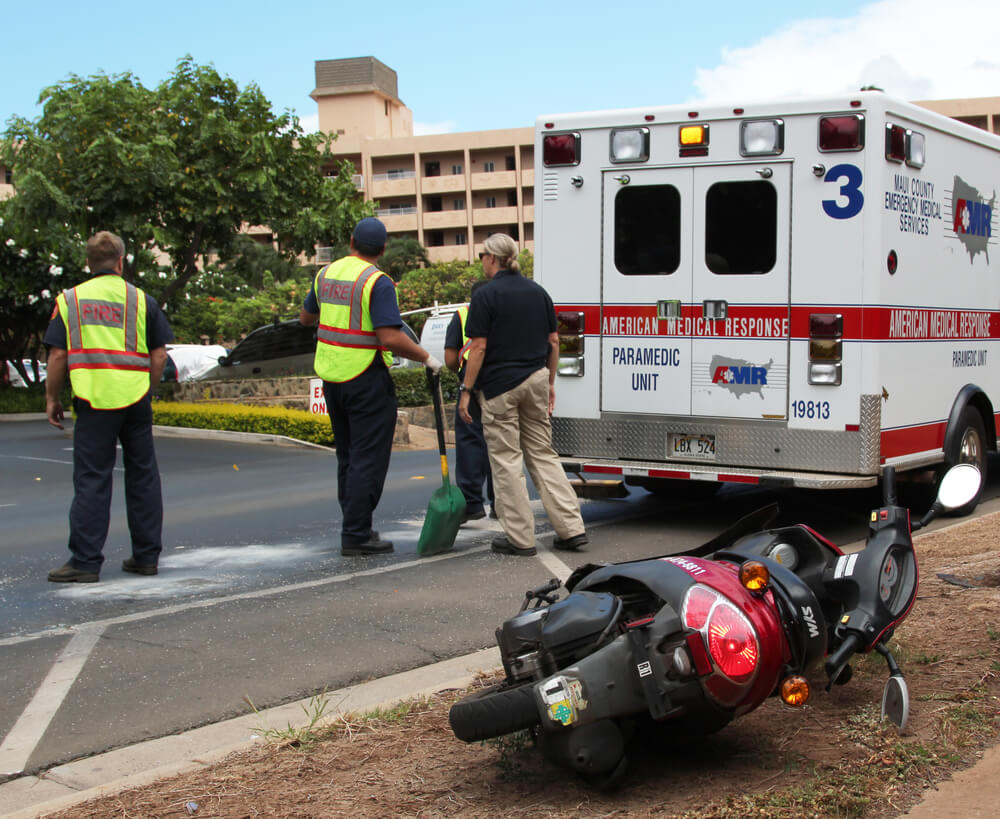
According to the National Highway Traffic Safety Administration (NHTSA), motorcyclists are more likely to die in a crash compared to occupants of passenger cars. Additionally, more than 80 percent of all reported motorcycle crashes result in injury or death to the motorcyclist. This means that motorcyclists don’t get injured or die in just 20% of the reported motorcycle accidents.
Despite surviving a motorcycle accident, survivors may suffer serious injuries depending on the factors surrounding the incident. At Kidwell & Gallagher, our legal team can help prove liability and damages in motorcycle injury cases. If you suffer injuries from a motorcycle accident, we will assess your case and develop a strategy to help you recover the compensation you deserve.
Surviving a motorcycle accident isn’t entirely a matter of luck. Several factors significantly influence your chances of survival after a crash.
Helmets are approximately 37% effective in preventing fatal injuries for motorcycle riders. Basically, they can reduce the severity of head trauma in a collision. Wearing an approved helmet is a legal requirement in Nevada. Without a helmet, even a relatively minor accident can lead to life-threatening head injuries.
The physics of collisions dictates that the faster a motorcycle is moving, the more severe the injuries are likely to be. High-speed crashes often result in catastrophic injuries or fatalities. However, staying within posted speed limits and adjusting your speed to road and weather conditions can significantly enhance your chances of survival.
Jackets, gloves, pants, and boots can significantly reduce the risk of serious injuries. They form a physical barrier between your body and the road against road rash, fractures, and abrasions. Investing in high-quality protective gear is an investment in your safety and well-being on the road.
Novice riders are more susceptible to accidents due to poor judgment in handling unexpected situations. Conversely, seasoned riders have a better understanding of road dynamics, traffic patterns, and hazard recognition. Taking riding courses and continually honing your skills can greatly improve your ability to navigate safely through challenging situations.
After a motorcycle accident, prompt action may increase your chances of recovery. Firstly, even if you believe your injuries are minor, seek immediate medical attention promptly. Some injuries, such as internal bleeding or concussions, may not be immediately apparent but can be life-threatening if left untreated. The doctor will assess your condition and provide necessary medical care. Remember to keep medical records for future legal claims.
Also, it’s advisable to consult with a motorcycle accident attorney at Kidwell & Gallagher Injury Lawyers. An attorney will do the following:
Have you survived a motorcycle accident but are still grappling with injuries? A motorcycle accident lawyer is necessary to advocate in pursuing compensation for your damages. At Kidwell & Gallagher, our legal team is ready to assess your case and offer a tailored strategy. We will navigate the legal process to ensure you receive the support you need during your recovery. Contact us now to explore your options.

Craig W. Kidwell is the managing partner of Kidwell & Gallagher, Ltd., and exclusively represents injured workers in Nevada. Mr. Kidwell has been practicing workers’ compensation law in Nevada since 1999 and has acted as lead counsel on over 2,000 contested workers’ compensation claims. Mr. Kidwell represents injured workers in Nevada through all stages of Nevada’s complex worker’s compensation system. Craig regularly appears in all levels of Nevada’s administrative workers’ compensation system and has represented injured workers in Nevada’s districts and Supreme Court.